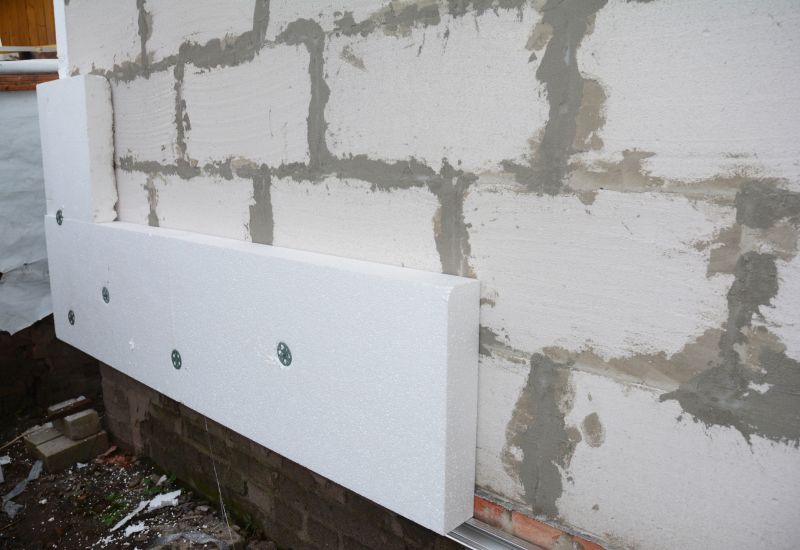
Rigid Insulation Installation in Longmont, CO
Rigid insulation installation involves adding a high-performance insulating material to various parts of a property to improve energy efficiency and thermal comfort. This service is commonly requested for projects such as insulating basement walls, exterior walls, roofs, and attics, helping homeowners maintain consistent indoor temperatures and reduce energy costs. Property owners typically want to understand the types of rigid insulation available, the areas of their home that can benefit most, and how the installation process might impact their daily routines.
Before requesting rigid insulation installation, property owners often seek information about the suitability of different insulation materials, the preparation required for their space, and the expected benefits in terms of energy savings and comfort. It’s important to consider factors such as existing construction, moisture control, and the overall goals for the space to ensure the insulation solution chosen aligns with the property’s needs. Contacting a professional can help clarify these considerations and determine the best approach for each specific project.
Many property owners in Longmont, CO look into Rigid Insulation Installation for repairs, replacements, upgrades, and appearance-related improvements.
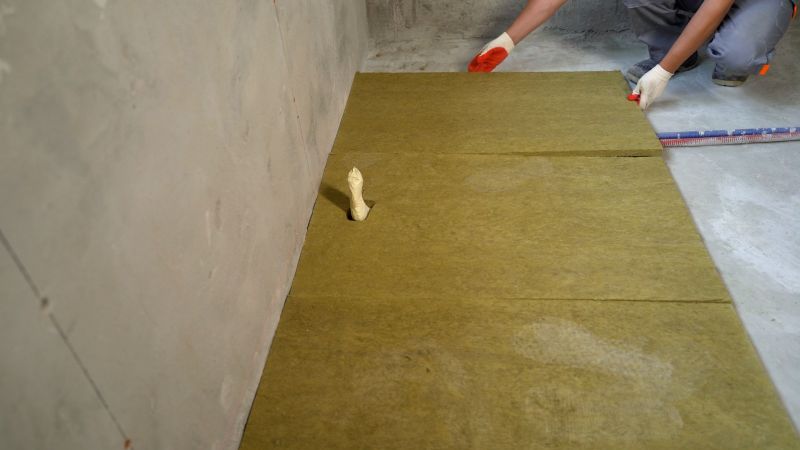
Benefits Of Rigid Insulation
Enhances energy efficiency and helps maintain consistent indoor temperatures.
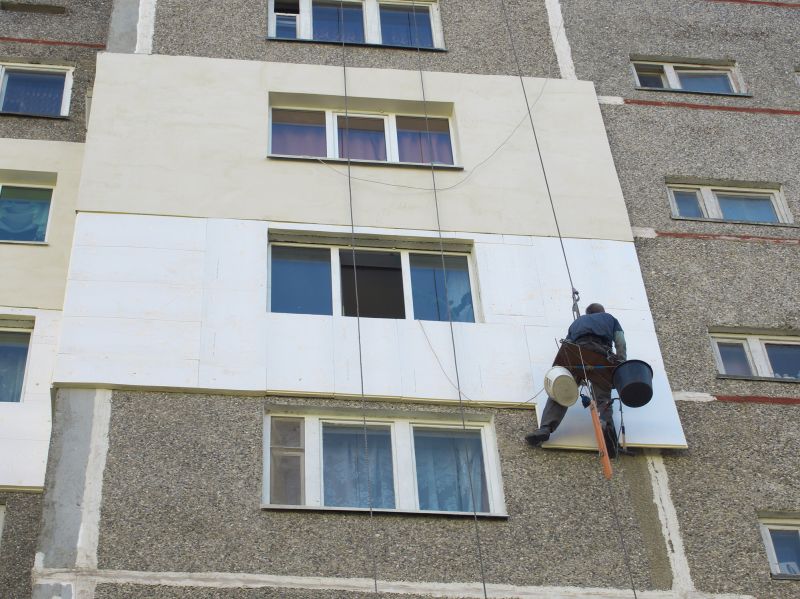
Common Installation Applications
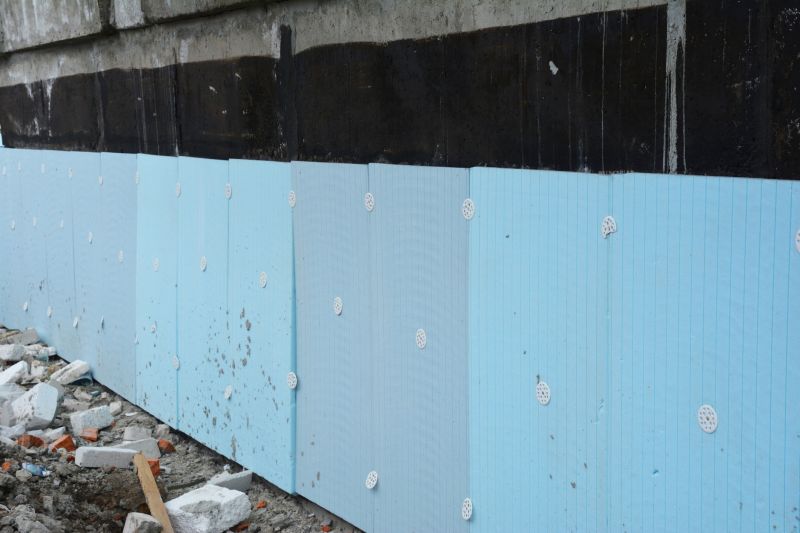
Used in walls, roofs, and foundations for improved thermal performance.
Choosing The Right Material
Various rigid insulation options are available to suit different building needs and climates.
Rigid Insulation Installation in Longmont, CO

Rigid insulation installation involves adding a high-performance insulating material to various parts of a property to improve energy efficiency and thermal comfort. This service is commonly requested for projects such as insulating basement walls, exterior walls, roofs, and attics, helping homeowners maintain consistent indoor temperatures and reduce energy costs. Property owners typically want to understand the types of rigid insulation available, the areas of their home that can benefit most, and how the installation process might impact their daily routines.
Before requesting rigid insulation installation, property owners often seek information about the suitability of different insulation materials, the preparation required for their space, and the expected benefits in terms of energy savings and comfort. It’s important to consider factors such as existing construction, moisture control, and the overall goals for the space to ensure the insulation solution chosen aligns with the property’s needs. Contacting a professional can help clarify these considerations and determine the best approach for each specific project.
Many property owners in Longmont, CO look into Rigid Insulation Installation for repairs, replacements, upgrades, and appearance-related improvements.
Common Rigid Insulation Installation Jobs
Commercial buildings - Rigid insulation installation enhances energy efficiency and thermal performance in commercial spaces.
Basements - Proper insulation helps control moisture and maintains comfortable temperatures in basement areas.
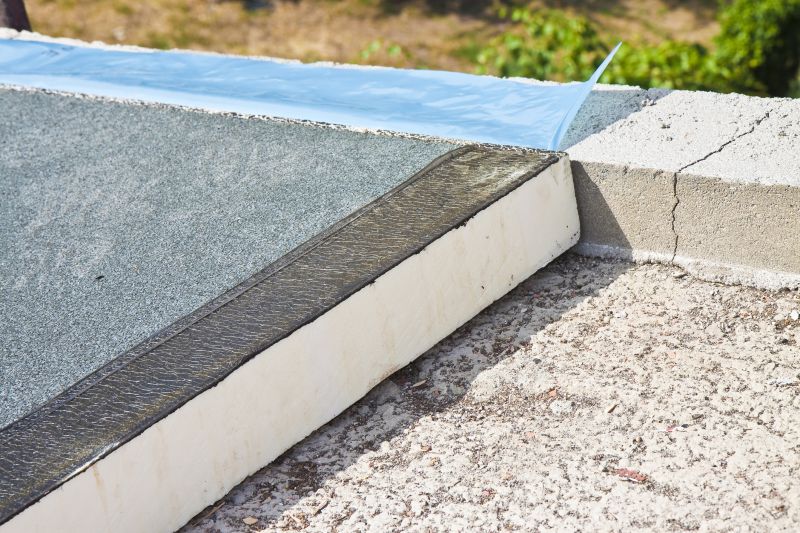
Attics - Installing rigid insulation in attics reduces heat transfer and improves overall home insulation.
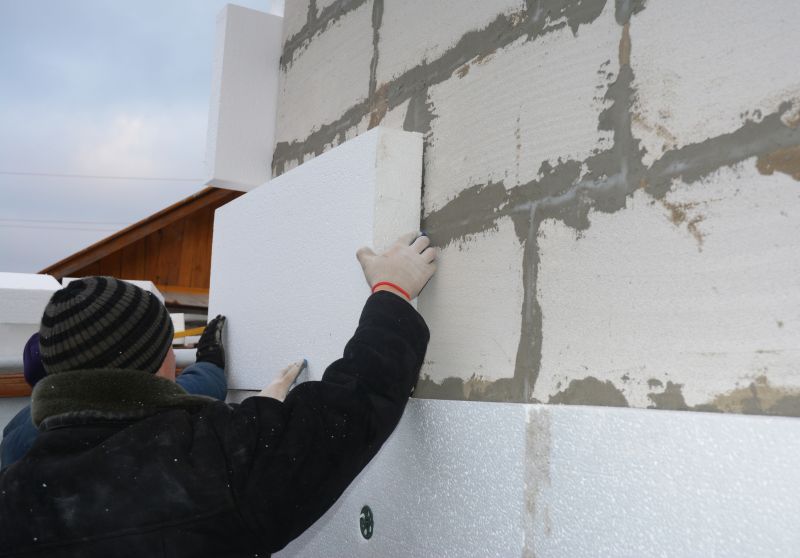
Exterior walls - Rigid insulation can be added to exterior walls for improved thermal resistance and energy savings.
New construction - Incorporating rigid insulation during new builds ensures consistent insulation performance from the start.
Renovations - Upgrading insulation in existing structures can boost energy efficiency and reduce heating and cooling costs.
Rigid Insulation Installation Questions
What is rigid insulation used for? Rigid insulation provides thermal resistance for walls, roofs, and foundations, helping to improve energy efficiency and indoor comfort.
Which types of projects benefit from rigid insulation? Rigid insulation is commonly used in basement insulation, exterior wall upgrades, and roofing systems to enhance insulation performance.
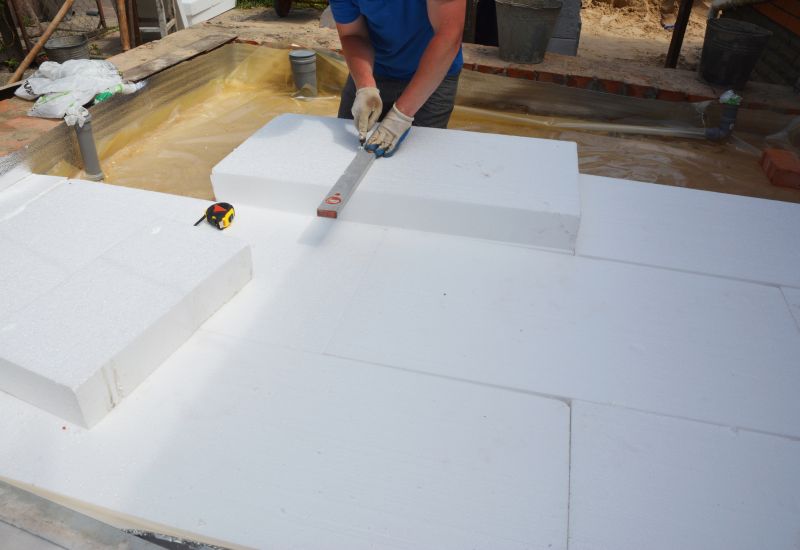
How is rigid insulation installed? Installation involves attaching panels to the desired surface, often with fasteners or adhesives, followed by sealing edges for optimal performance.
What should homeowners consider before installing rigid insulation? It's important to evaluate the insulation's compatibility with existing building materials and the specific requirements of the project area.
Request Rigid Insulation Installation in Longmont, CO
Use the quote form on this page to share the basics of your project and request more information for the type of work you need.